
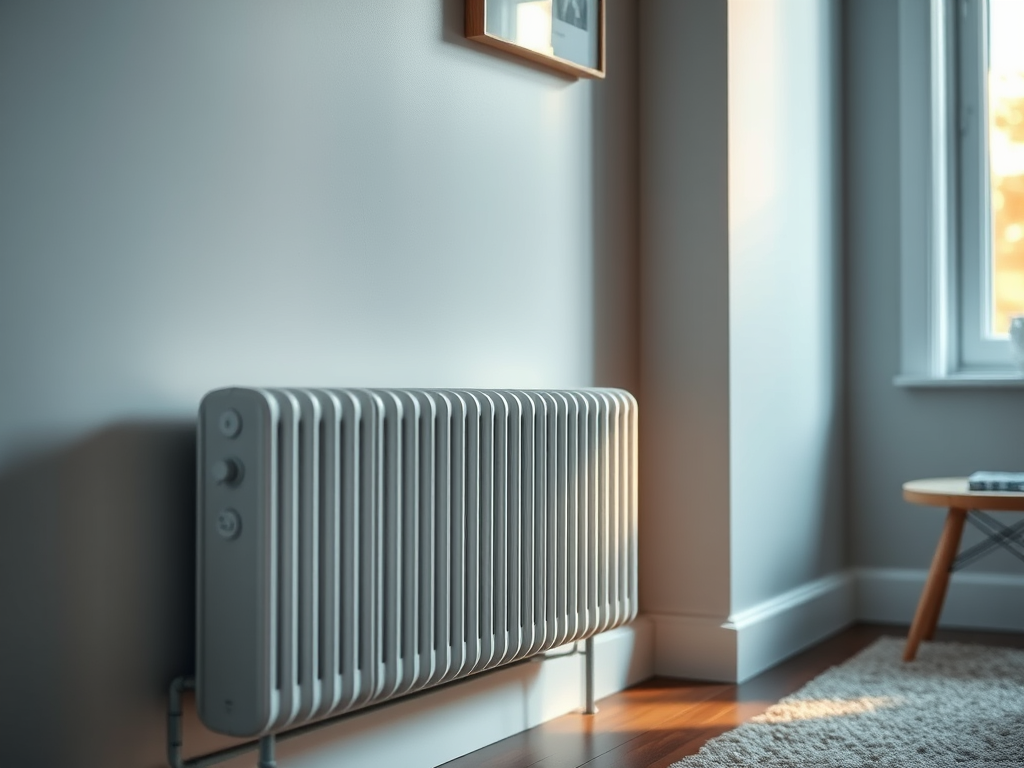
Baseboard heaters and Cadet heaters are reliable heating options for many homes, providing efficient warmth during cold months. However, like any heating system, they require regular maintenance to ensure optimal performance, safety, and longevity. Neglecting these units can lead to reduced efficiency, increased energy costs, and potential safety hazards. This article provides practical advice on maintaining these heaters and when to consider replacing their internal components.
Why Maintenance Matters
Regular maintenance not only extends the life of your heating system but also helps:
- Improve efficiency: Clean and well-maintained heaters work more effectively, reducing energy consumption.
- Ensure safety: Dust and debris buildup can pose fire hazards, especially in electric heaters.
- Avoid costly repairs: Addressing minor wear and tear early prevents more significant issues down the road.
Baseboard Heater Maintenance
Baseboard heaters rely on convection to circulate warm air, making it essential to keep them clean and free of obstructions.
Routine Cleaning Steps
- Turn Off Power
- Always switch off the heater’s power at the circuit breaker before cleaning to avoid electrical shocks.
- Vacuum the Heater
- Use a vacuum cleaner with a brush attachment to remove dust and debris from the fins and housing.
- Be gentle to avoid bending the aluminum fins, as this can restrict airflow.
- Inspect for Obstructions
- Check that furniture, curtains, and other items are at least 12 inches away from the heater to allow proper airflow.
- Wipe Down the Housing
- Use a damp cloth to clean the outer casing of the heater, ensuring no moisture enters the unit.
When to Replace Baseboard Heater Components
- Signs of Wear and Tear
- Check for discoloration, rust, or melted areas on the heater housing or wiring.
- Listen for unusual noises, such as buzzing or rattling, which could indicate loose or failing components.
- Replace the Thermostat
- If the heater struggles to maintain a consistent temperature, the thermostat may need replacing.
- Upgrade the Unit
- If the heater is over 20 years old or no longer meets your heating needs, consider replacing it with a modern, energy-efficient model.
Cadet Heater Maintenance
Cadet heaters, often installed as wall-mounted units, are compact and effective but require regular cleaning and inspection due to their direct air circulation design.
Cleaning Steps for Cadet Heaters
- Turn Off Power
- Shut off the power at the breaker panel to ensure safety during maintenance.
- Remove the Grill
- Detach the front grill to access the heating element and internal components.
- Vacuum the Interior
- Use a vacuum cleaner to remove dust and debris from the heating element and fan (if applicable).
- Pay special attention to the fan blades and motor, as dust buildup can affect performance.
- Inspect Wiring and Connections
- Check for frayed wires, loose connections, or visible damage.
- Clean the Grill
- Wipe down the grill with a damp cloth and dry thoroughly before reattaching.
When to Replace Cadet Heater Components
- Heating Element Issues
- If the unit produces uneven heat or fails to warm the room adequately, the heating element may be worn out and require replacement.
- Fan Problems
- For fan-equipped models, a noisy or non-functioning fan may indicate the need for cleaning, lubrication, or replacement.
- Electrical Damage
- Replace the unit if you notice scorch marks, melted wiring, or other signs of electrical damage.
- Obsolete Models
- Older models may not comply with current safety standards or energy efficiency requirements. Replacing these units can enhance safety and lower energy costs.
General Tips for Both Heater Types
- Annual Inspection
- Schedule a yearly inspection by a licensed professional to ensure your heaters are in optimal condition and meet local safety standards.
- Don’t Block Airflow
- Avoid placing items on or near heaters, as this can restrict airflow and pose a fire hazard.
- Monitor for Odors
- A burning smell when turning on the heater may indicate dust buildup or component failure. Clean the unit and inspect for damage.
- Upgrade When Necessary
- Modern heaters often include features like programmable thermostats, which improve energy efficiency and user convenience.
Conclusion
Maintaining baseboard and Cadet heaters is a straightforward process that can significantly enhance their performance and lifespan. Regular cleaning, timely inspections, and prompt replacement of worn components are essential for ensuring these units operate safely and efficiently.
For older or severely damaged heaters, consider upgrading to modern, energy-efficient models. If you’re unsure about the condition of your heaters or need assistance, contact a licensed professional for expert maintenance and advice. Investing in proper care for your heating system will keep your home comfortable and safe during the colder months.