
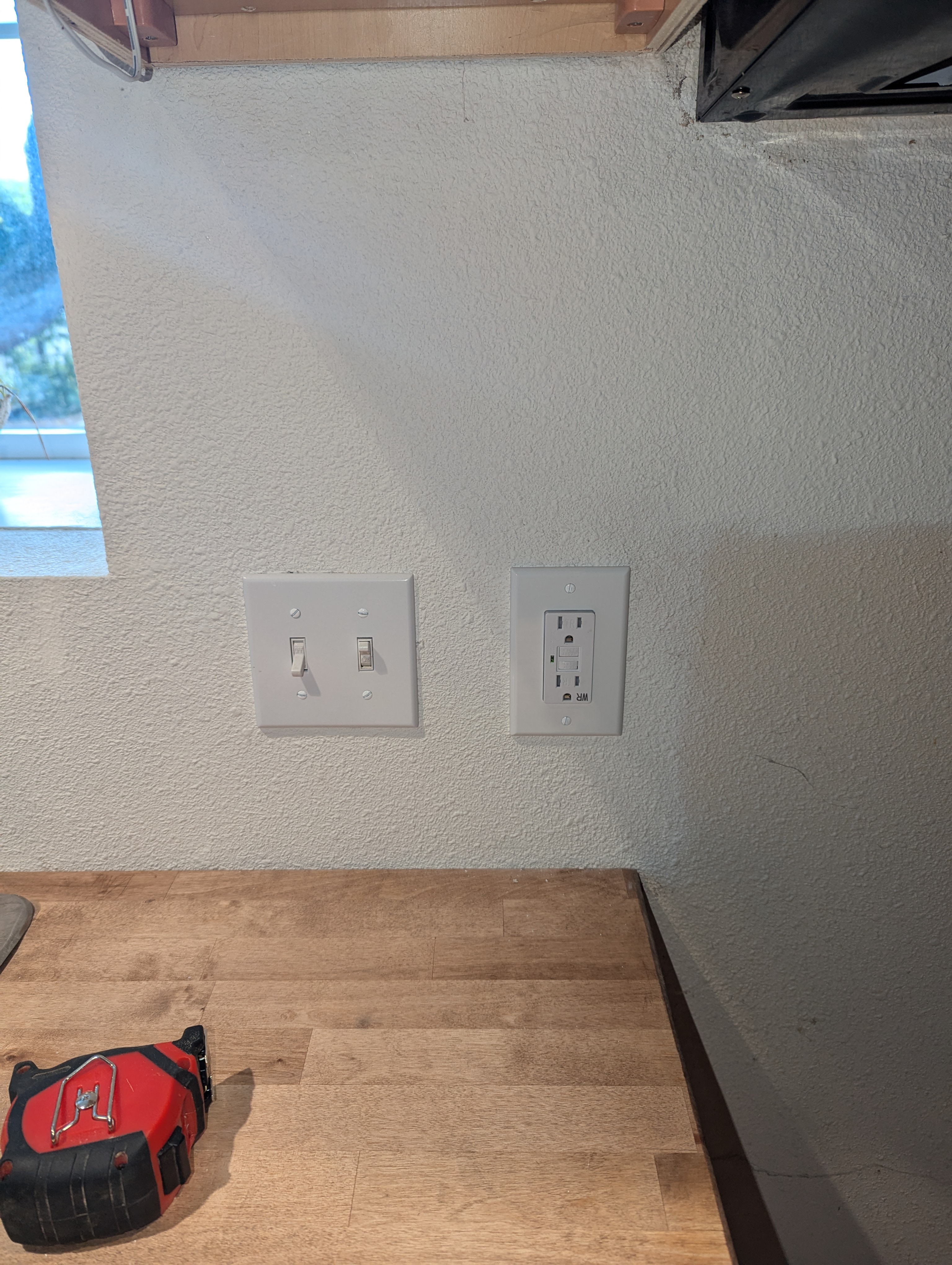
Ground Fault Circuit Interrupters (GFCIs) are essential safety components in any home’s electrical system. They are designed to protect people from electric shock by quickly shutting off power if a fault is detected. Understanding how to test GFCI receptacles and breakers, knowing where they should be installed, and maintaining them properly can make your home safer and more reliable. Here’s what you need to know:
1. What Are GFCIs and How Do They Work?
GFCI outlets and breakers monitor the electrical current flowing through a circuit. If they detect an imbalance in the current, indicating that electricity is escaping its intended path (e.g., through water or a person), they quickly cut power to prevent potential shock.
2. Where Are GFCIs Required?
According to the National Electrical Code (NEC), GFCIs are required in areas where electricity may come into contact with water, such as:
- Bathrooms
- Kitchens (specifically around countertops)
- Garages
- Basements (unfinished areas)
- Outdoor receptacles
- Laundry areas
These installations help ensure safety in high-risk locations and protect you and your family from electrical hazards.
3. How to Test Your GFCI Receptacles and Breakers
Regular testing ensures that your GFCI receptacles and breakers are functioning properly. Follow these simple steps to test them:
- For GFCI Receptacles:
- Locate the Test and Reset Buttons: Most GFCI outlets have two buttons on the front—‘Test’ and ‘Reset.’
- Press the Test Button: This should cut power to the outlet, indicating it is working correctly.
- Plug in a Device: Plug a small lamp or device into the outlet. If the device does not power on, the GFCI has tripped successfully.
- Press the Reset Button: This should restore power to the outlet. Verify by checking that your device powers back on.
- For GFCI Breakers in the Electrical Panel:
- Locate the GFCI Breaker: GFCI breakers are often marked and have a ‘Test’ button.
- Press the Test Button: This should trip the breaker, cutting power to the associated circuit.
- Reset the Breaker: Manually switch it back to the ‘On’ position to restore power.
4. How Often Should You Test Your GFCIs?
It’s recommended to test all GFCI outlets and breakers at least once a month. This routine check ensures that these protective devices will operate correctly when needed.
5. What to Do if Your GFCI Isn’t Working
If your GFCI outlet or breaker doesn’t trip when tested or won’t reset, it may need repair or replacement. Malfunctioning GFCIs compromise your home’s electrical safety and should be addressed promptly.
6. Why Call a Professional?
Testing and basic resetting can be done on your own, but diagnosing issues, replacements, and repairs should be handled by a licensed electrician. A professional will ensure your GFCIs are up to code and functioning properly to keep your home safe. At Empowered Electric, we offer reliable testing, troubleshooting, and replacement services for GFCI outlets and breakers.
Don’t compromise on your safety—regularly check your GFCI receptacles and breakers, and call a trusted electrician for maintenance and repairs when needed. Reach out to us for professional service and peace of mind.
Contact Empowered Electric for expert GFCI and electrical panel services today!